
Key facts: Flood Cleanup
- Clear Creek flows east through the northern third of Wheat Ridge, and much of its floodplain lies within the Clear Creek Greenbelt, according to the City of Wheat Ridge.
- Lena Gulch runs through southwest Wheat Ridge and joins Clear Creek near Kipling Street; development sits close to the stream along much of its length.
- Floodwater from outside is treated as contaminated because it can carry sewage, chemicals and soil.
- Standard homeowners insurance policies generally exclude flood; flood coverage comes from the National Flood Insurance Program or private flood policies.
- The EPA advises drying out a building within 24 to 48 hours where possible after flooding to limit mold growth.
In short
What flood cleanup involves
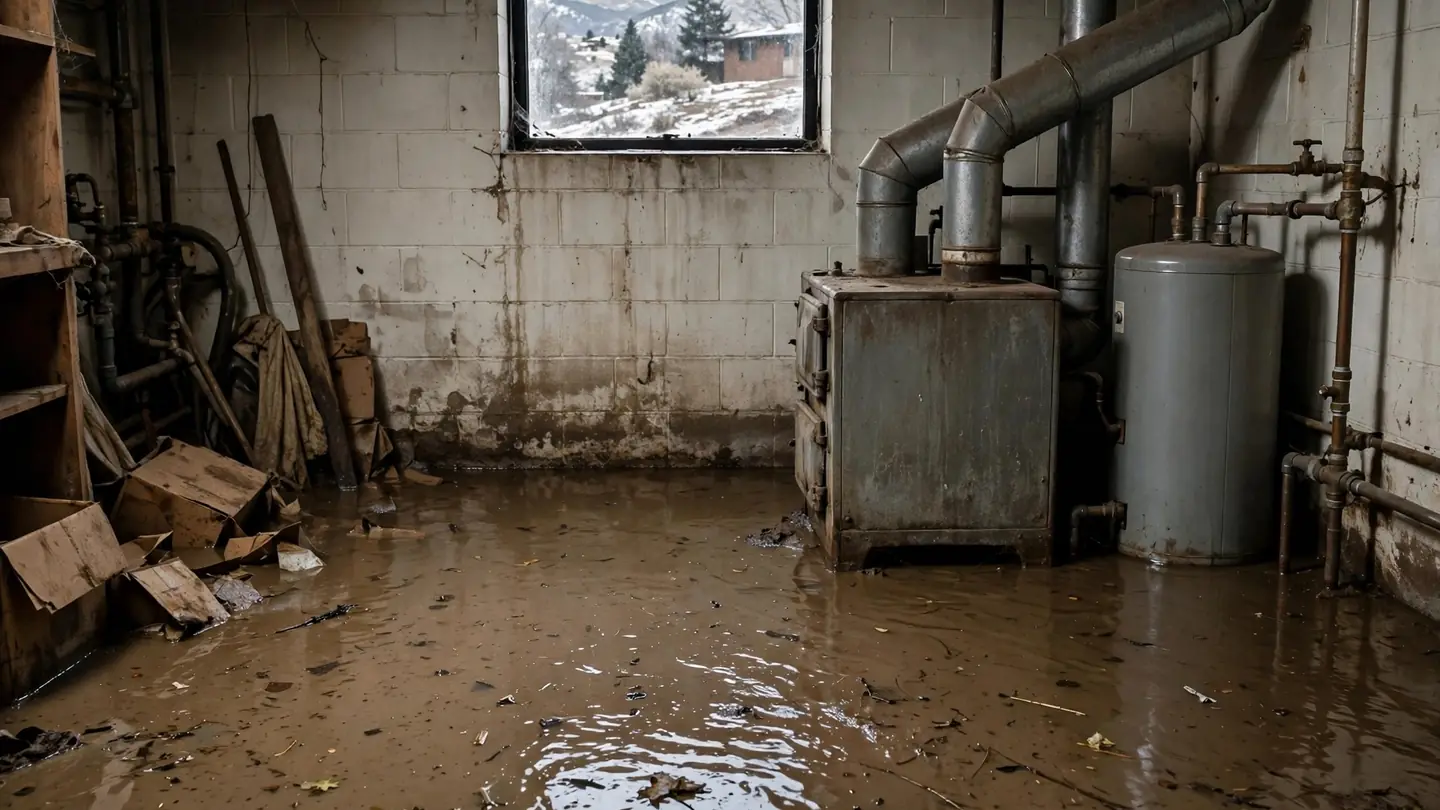
Flood cleanup follows the same order as any water loss, but because outside water is dirty, far more material is removed and every surface is disinfected.
- Safety checkPower to flooded areas is off, gas appliances are checked, and anyone entering wears boots and gloves.
- Pump and shovelWater is pumped out, then the mud and silt it left behind are shoveled and squeegeed off floors.
- Strip porous materialsCarpet, pad, insulation, lower drywall and soft furnishings that touched floodwater are usually removed.
- Wash and disinfectConcrete, framing and hard surfaces are washed down and disinfected.
- Dry and verifyEquipment runs until readings show the structure is dry, then rebuilding can start.
Local flood sources
How floodwater gets into Wheat Ridge homes
Wheat Ridge sits between the foothills and Denver, and two drainage systems shape its flood risk. Clear Creek runs east across the northern part of the city, and according to the City of Wheat Ridge its floodplain covers much of the Clear Creek Greenbelt. [1] Lena Gulch, a much smaller stream, drains the southwest quarter of the city and meets Clear Creek near Kipling Street; the city notes that along Lena Gulch more homes and businesses sit right next to the channel.
Creek flooding is only part of the picture. Many flood calls come from storms that drop heavy rain in a short time. Water runs down sloped driveways into garages, overwhelms gutters and pools against foundations, then finds its way in through window wells, basement doors and cracks. A window well that fills with water can push in a basement window and pour hundreds of gallons into a finished room within minutes.
Spring snowmelt adds slower flooding. When deep, wet snow melts quickly on frozen ground, water collects along the foundation, saturates the soil, and seeps through the basement walls or up through the slab where groundwater is high.

Recognize the type
Telling flood damage apart from a plumbing leak
Silt and mud on the floor
A film of fine soil after the water drains is the mark of outside water.
Water came in at windows or doors
Entry points at grade, window wells or the garage point to runoff.
It happened during a storm
Timing tells a contractor a lot about the source.
Strong earthy or sewage smell
Outside water picks up odors that clean pipe water does not have.
Water rose through the floor drain
That suggests the sewer or storm system was overwhelmed; see our sewage cleanup page.
Neighbors had water too
Several homes on a street flooding together points to drainage or creek water.
Contamination
Why flood cleanup removes more material
Floodwater is generally treated as the most contaminated category of water. It has run across lawns, streets and sometimes sewer lines before reaching your basement, and it can carry bacteria, viruses, fertilizer, pesticides, motor oil and whatever else it picked up. That is why the EPA and CDC treat flood cleanup more strictly than a burst pipe.
In practical terms, porous materials that floodwater touched are usually discarded rather than dried: carpet and pad, upholstered furniture, mattresses, fiberglass insulation, and drywall below the waterline plus a margin above it. Hard surfaces such as concrete, tile, metal and sealed wood can generally be cleaned and disinfected. Framing lumber is normally cleaned, treated and dried rather than replaced, unless it is damaged.
This can be hard to accept when a recently finished basement looks only slightly wet. The concern is what the water carried, not how deep it was.
Order of work
Flood cleanup from first visit to dry
- 1
Assess and make safe
Confirm the power is off to flooded areas, check for gas smells, look for structural problems and decide whether it is safe to work.
- 2
Pump standing water
Use submersible or trash pumps to remove deep water; pump in stages if outside groundwater is still high, to avoid pressure damage to basement walls.
- 3
Remove silt
Shovel and squeegee mud while it is still wet; dried silt is harder to lift and spreads dust.
- 4
Remove contaminated materials
Strip carpet, pad, lower drywall, insulation and soft contents; bag and remove them.
- 5
Wash surfaces
Pressure-wash or scrub concrete and framing to remove remaining soil.
- 6
Disinfect
Apply a suitable disinfectant to all surfaces the water touched, following the product label.
- 7
Dry
Set up dehumidifiers and air movers, and track readings daily.
- 8
Clear for rebuild
Rebuild starts only once moisture readings in framing and concrete are back to normal.
Flooded items
Flooded belongings: keep, clean or discard
| Item | Usual decision | Notes |
|---|---|---|
| Carpet and pad | Discard | Cannot be reliably cleaned through |
| Upholstered furniture | Discard in most cases | Foam and fabric hold contamination |
| Mattresses and pillows | Discard | Cannot be disinfected |
| Solid wood furniture | Clean, disinfect and dry slowly | Watch for warping and mold |
| Clothing and washable textiles | Wash in hot water with detergent | Separate from uncontaminated laundry |
| Food and medicine touched by water | Discard | Including cans with damaged seals |
| Children's soft toys | Discard | Hard plastic toys can be disinfected |
| Documents and photos | Freeze and seek specialist help | Rinse gently in clean water only if advised |
Mechanicals
Furnaces, water heaters and electrical after a flood
Basements in Wheat Ridge usually house the furnace, water heater, electrical panel and often the laundry. Floodwater reaching these is a serious matter. Gas controls, burners and electrical components that have been underwater are generally not safe to restart until a qualified technician has inspected them, and many will need replacement.
Ductwork running along the basement floor or in the slab can fill with water and silt; flexible ducts and insulated ducts that were submerged are usually replaced. Electrical outlets and wiring below the waterline need checking by an electrician. A restoration contractor will usually identify these problems and recommend the right trades; they should not restart gas appliances themselves unless they are qualified to do so.
Your utility, Xcel Energy, can also be contacted if you smell gas; leave the house first and call from outside.
Window wells
Window well flooding in Wheat Ridge basements
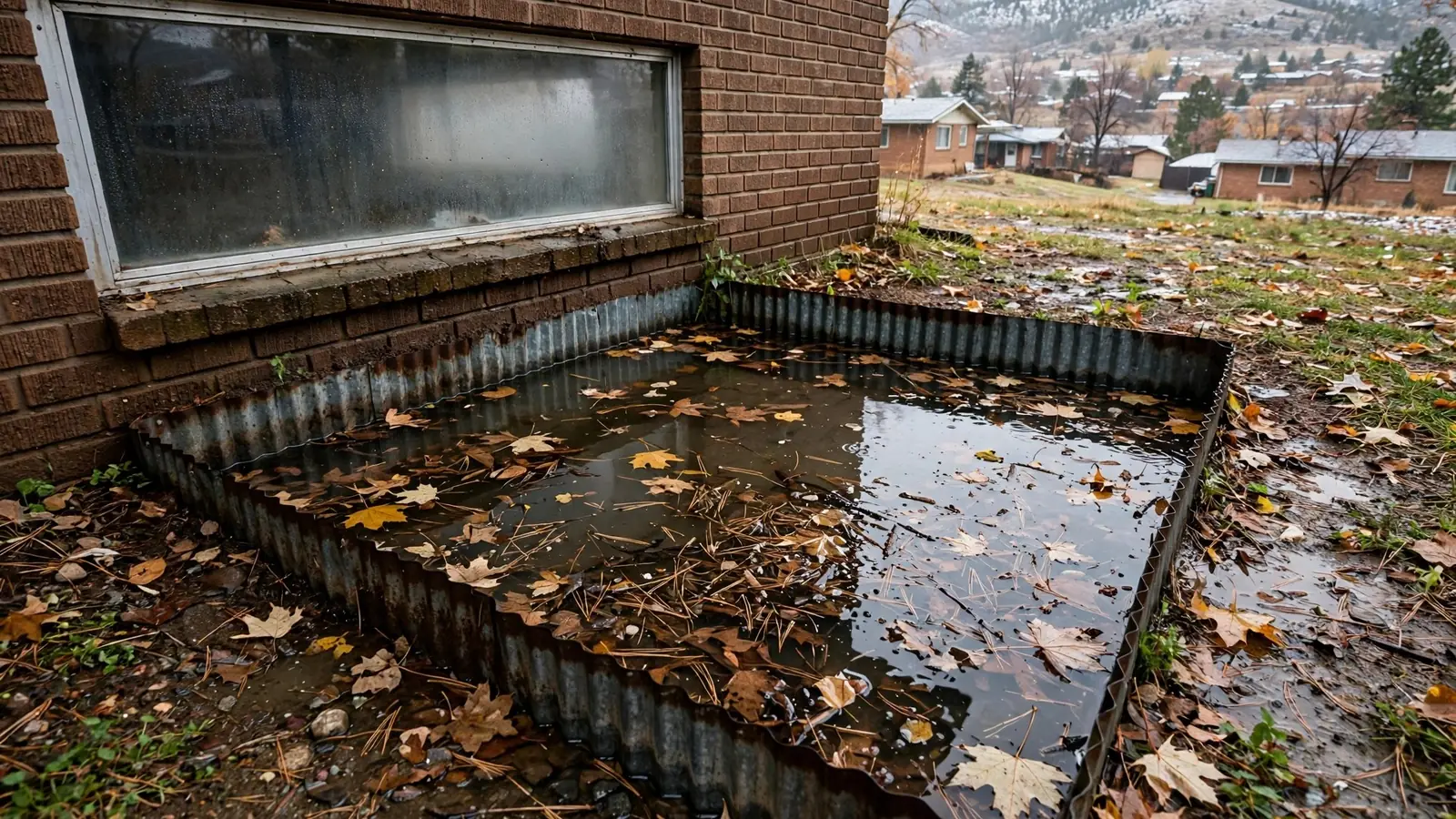
Egress and light window wells are common on Wheat Ridge basements, especially where bedrooms were added below grade. A well is designed to catch rain and drain it through gravel at the bottom, but leaves, soil and snow clog that drainage over time. During a heavy storm the well fills like a bucket, and the water either seeps around the window frame or breaks the glass.
When that happens, water enters a finished room directly, often a bedroom with carpet. The cleanup is a flood cleanup, because the water came from outside and carried soil with it. Afterwards, the well needs to be cleaned out, the drain checked, and a cover considered.
- Clear leaves and debris from wells in fall
- Check that each well has a working drain
- Grade soil so water flows away from wells
- Consider clear well covers
Insurance
Flood insurance versus homeowners insurance
A standard homeowners policy usually covers sudden water damage from inside the house, like a burst pipe, but generally excludes flood, which insurers define as surface water from outside affecting multiple properties or a large area. Flood coverage comes from the National Flood Insurance Program, which is managed by FEMA and sold through insurance agents, or from private flood insurers. [4]
There is also a third category: water and sewer backup. Water that comes up through a floor drain because the sewer line backed up is often excluded from a basic homeowners policy but can be added as an endorsement. Groundwater seeping through foundation walls is a gray area that varies between policies.
Because the cause decides the coverage, document everything: photos of the waterline, video of how water entered, and notes of the time and weather. Our guide to working with your insurance adjuster covers this in more detail, and the Colorado Division of Insurance publishes consumer information if you have questions about how a claim is being handled.
Coverage clues
Which policy usually responds
| How the water entered | Common policy treatment |
|---|---|
| Burst supply pipe inside the house | Homeowners policy, if sudden and accidental |
| Storm runoff through a window well or door | Often treated as flood; NFIP or private flood policy |
| Creek overflow | Flood policy |
| Sewer backup through a floor drain | Sewer backup endorsement, if purchased |
| Groundwater seeping through walls | Varies; often excluded unless flood coverage applies |
Mold
Mold risk after flooding
Flooded basements are prime territory for mold: dark, cool, full of organic material like drywall paper and wood, and now wet. Growth can begin within a day or two if materials are not dried. The EPA notes that the key to mold control is moisture control, and that drying wet items quickly is the best prevention.
Contractors control this by removing porous material quickly, cleaning and disinfecting surfaces, and drying hard with dehumidifiers. If drying is delayed, for example because the power is out or the house is inaccessible, it becomes more likely that mold will need to be removed during the job. Visible growth over a large area should be handled by people with the right protective equipment.
Prevention
Reducing flood risk at a Wheat Ridge property
You cannot control Clear Creek, but you can control a lot around your own foundation. Keep gutters and downspouts clear and extend downspouts several feet from the house. Make sure the soil slopes away from the foundation. Clean window wells and check their drains. If your house has a sump pump, test it before spring and consider a battery backup.
Check whether your property is in a mapped floodplain using the City of Wheat Ridge floodplain maps or FEMA's flood map service. Even homes outside the mapped floodplain can flood from storm runoff, and flood insurance is available for them too. Keep valuables and important papers off the basement floor, in plastic bins on shelves.
Ask on your call
Questions to ask about a flood cleanup
- How will you handle the contaminated materials?Expect a clear explanation of what will be removed and why.
- Will you pump the basement gradually?Important if the ground outside is still saturated.
- What disinfectant will you use?Ask about the product and whether the house can be occupied while it is used.
- Can you document the waterline and entry point?Insurers need this to decide which policy responds.
- Who should inspect the furnace and water heater?A good contractor will refer you to qualified trades.
Garages and walkouts
Flooded garages, walkouts and slab rooms
Not every flood lands in a basement. Attached garages on sloped Wheat Ridge lots often take the first hit when runoff comes down the driveway, and water can cross from the garage into a finished room through the door threshold. Walkout basements on hillside lots face a similar problem at the patio door. In both cases the water spreads across a slab and under interior walls.
Garage floods carry oil, antifreeze and lawn chemicals that were stored there, so cleanup includes sorting and safely disposing of damaged containers. Drywall on the garage side of a shared wall may need cutting, and the bottom plate of that wall should be checked. For a walkout, the door threshold and the flooring just inside are usually where damage concentrates, but water travels further than it looks along the slab.
Timeline
A realistic week after a Wheat Ridge basement flood
- 1
Day 1
Power made safe, water pumped, silt shoveled while wet, contents sorted and photographed, and the insurer notified.
- 2
Day 1 to 2
Carpet, pad, lower drywall and insulation removed; surfaces washed and disinfected; drying equipment set up.
- 3
Days 2 to 5
Dehumidifiers and air movers run around the clock; moisture readings taken and logged each visit.
- 4
Days 4 to 7
Equipment is moved as areas dry; furnace and water heater inspected or replaced by the right trades.
- 5
After drying
Final readings confirm the structure is dry, the adjuster reviews the file, and rebuild planning begins.
Neighborhood floods
When a whole street floods
A large storm or creek event can flood many houses at once. When that happens, demand for pumps, dehumidifiers and crews spikes across the Denver metro, and every contractor gets busy. Calling early helps, and so does doing safe first steps yourself: pulling wet rugs and boxes out, propping the doors open if outside air is drier, and photographing everything.
Be cautious of anyone going door to door after a flood asking for payment up front or for you to sign over your insurance claim on the spot. Take time to understand any agreement before signing it. Wheat Ridge and Jefferson County publish recovery information after large events, and FEMA may open assistance programs when a disaster is declared.
Debris
Getting flood debris out of the house
Flood cleanup produces a surprising volume of waste: rolled carpet, bags of wet drywall, ruined furniture and boxes. A contractor will usually haul it away or arrange a dumpster. Before anything leaves, photograph it with a measuring tape or a known object for scale, and keep small samples of carpet or flooring if your insurer asks for them.
Hazardous items such as paint, solvents, fuel cans and batteries should be kept separate from general debris. Jefferson County runs household hazardous waste programs for residents; ask your contractor how they handle these items.
Related work
Flood cleanup jobs Wheat Ridge callers describe
Bedroom flooded through a window well
Carpet, pad and lower drywall removed; the well cleaned and its drain checked.
Read moreFloor drain overflow during a storm
Handled as a sewage loss with stricter disinfection.
Read moreGarage and family room on one slab
Runoff under the shared door; walls opened on both sides.
Shop or office near Clear Creek
Commercial flooding with stock, records and equipment to protect.
Read moreSeepage after snowmelt
Slow groundwater entry that needs drying and a drainage fix.
Read moreCrawl space under an older addition
Standing water and wet insulation in a tight space.
Ground and slab
Why concrete takes longest to dry after a flood
Concrete basement floors and foundation walls absorb water and release it slowly. After a flood, the surface of the slab can feel dry within a day while the concrete below stays damp for a week or more. That moisture then moves into anything laid on top of it: new pad, laminate, wood sleepers or the bottom plate of a wall.
Contractors check slab moisture with meters and, before new flooring goes down, sometimes with more formal tests. Rushing new flooring onto a damp slab is one of the most common reasons a basement smells musty months after a flood. It is worth waiting for the numbers rather than the calendar.
FAQ
Flood cleanup questions for Wheat Ridge homes
Is my house in a Wheat Ridge floodplain?
Check the City of Wheat Ridge floodplain maps or FEMA's flood map service. The largest floodplain follows Clear Creek in the north of the city; Lena Gulch has a smaller one in the southwest.
Can I clean a flooded basement myself?
Small amounts of clean water, perhaps. Outside floodwater is contaminated and usually means removing carpet, drywall and insulation with protective gear. Many owners call a contractor for this.
Why does flood cleanup remove so much drywall?
Floodwater carries bacteria and soil into the wall material. Drywall below the waterline, plus a margin above, is usually removed.
Should I pump out my basement right away?
If the ground outside is still saturated, pump gradually to avoid pressure damage to walls.
Will my homeowners policy pay for storm flooding?
Usually not. Flood coverage comes from NFIP or a private flood policy. Sewer backup needs its own endorsement.
How long until the basement is dry after a flood?
Often several days to a week or more once contaminated material is out, depending on how wet the concrete and framing are.
Can I stay home after a flood?
If the basement is the only area affected and utilities are safe, often yes. Avoid the flooded area until it is cleaned.
Does someone answer at night during a storm?
Yes. Emergency calls are taken around the clock and connected to an independent contractor serving Wheat Ridge.