
Key facts: Ridge at 38
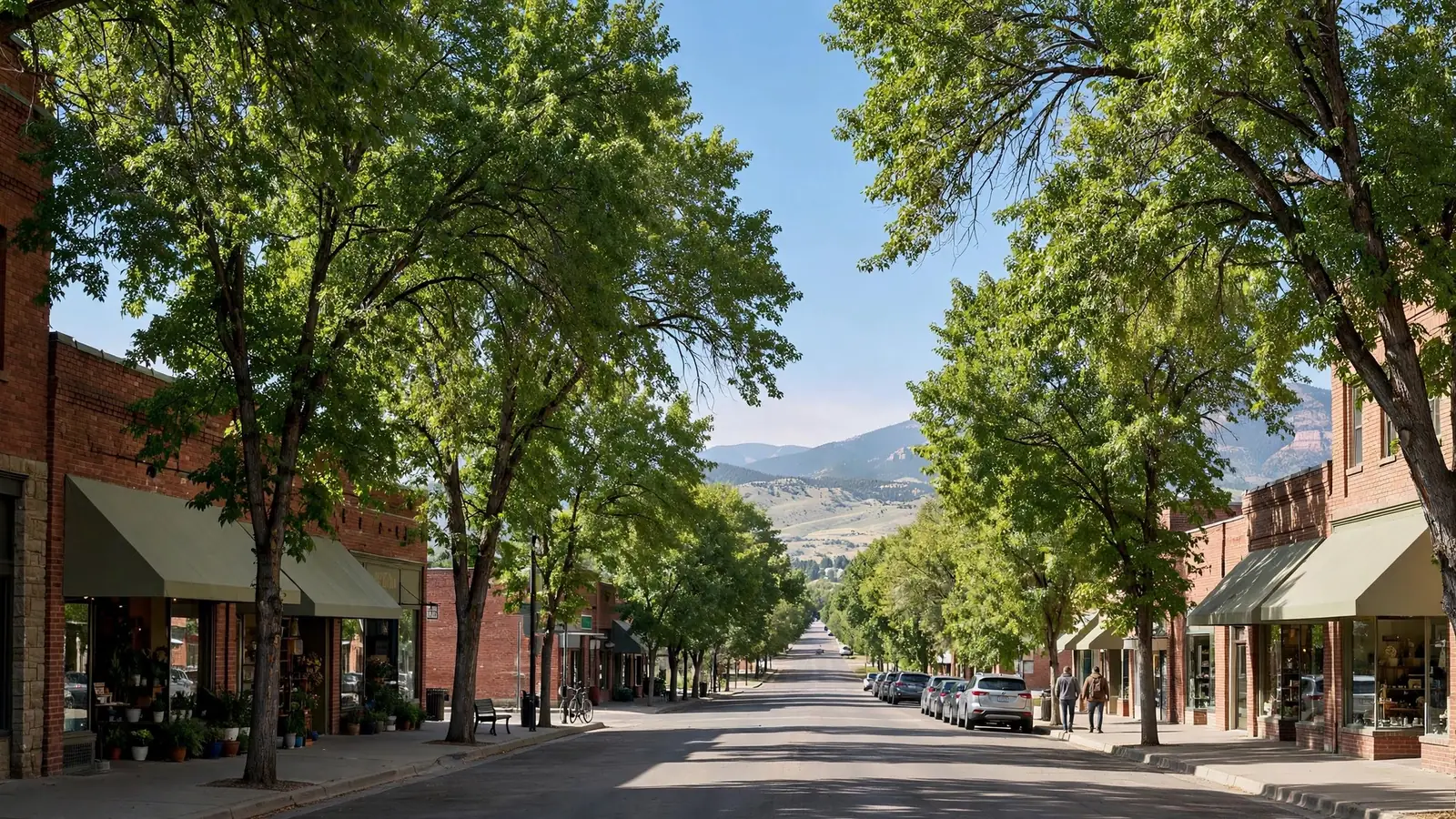
- Ridge at 38 is the name the City of Wheat Ridge uses for the West 38th Avenue main-street corridor, roughly between Sheridan Boulevard and Wadsworth Boulevard.
- The covered ZIP code for Wheat Ridge on this site is 80033.
- Wheat Ridge was incorporated as a city in 1969, but much of the housing along 38th Avenue predates incorporation.
- Homes built before 1978 may contain lead-based paint, and older building materials may contain asbestos.
- Water losses in older homes often come from aging supply pipes, sewer laterals and basements built without modern drainage.
Covered area
Ridge at 38 ZIP code on this line
Calls from homes and storefronts around West 38th Avenue can be connected to an independent restoration contractor working in Wheat Ridge.
- 80033Homes and businesses along and near West 38th Avenue in Wheat Ridge, from the Sheridan side west toward Wadsworth.
About the area
Why 38th Avenue properties take water differently
West 38th Avenue is the closest thing Wheat Ridge has to a traditional main street, and the city has spent years promoting it under the Ridge at 38 name with streetscape work, events and new businesses. Behind the storefronts sit residential blocks that grew up before and just after the Second World War, when this was still an unincorporated farming and greenhouse area on the edge of Denver.
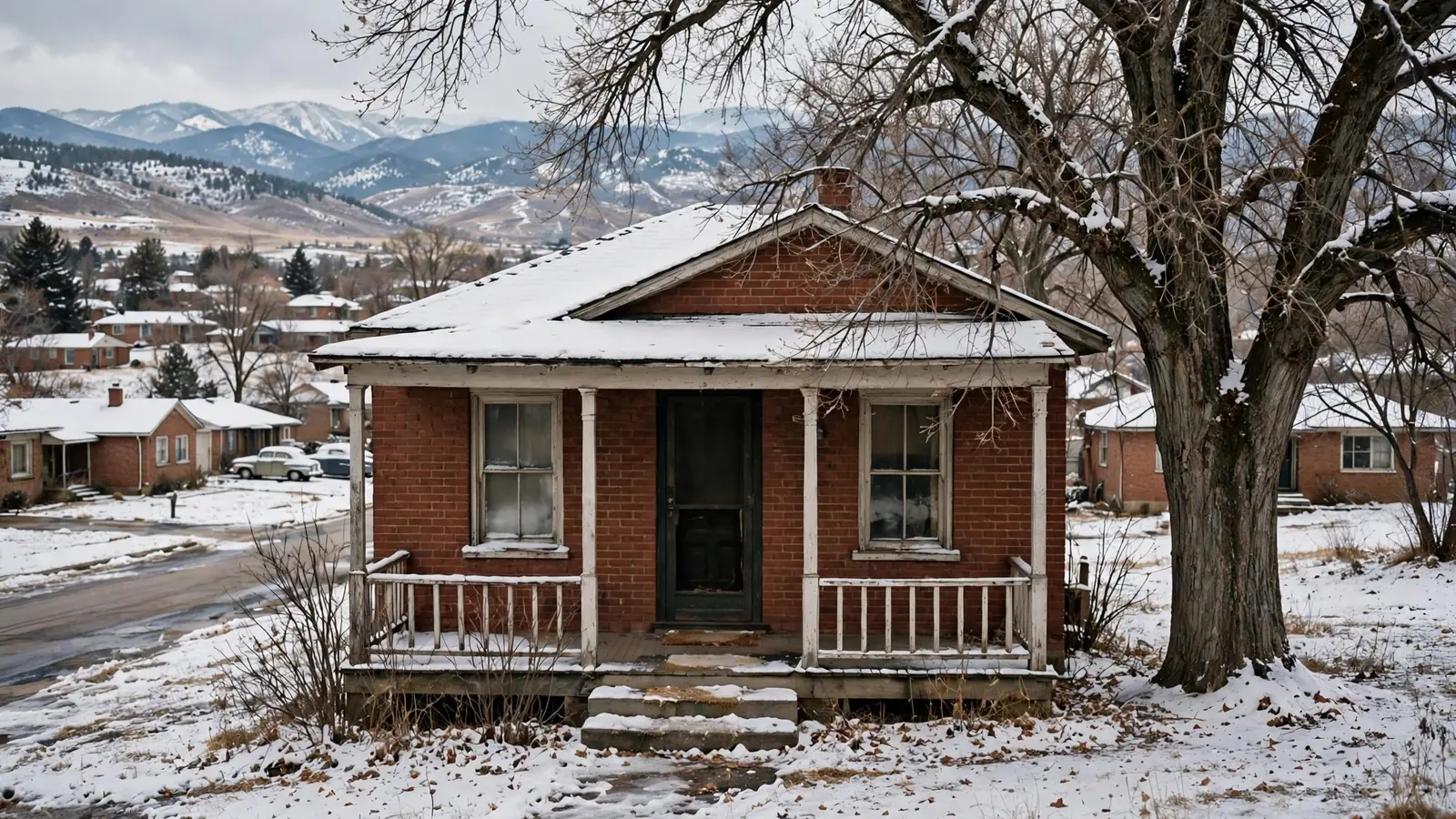
That history matters for water damage. The oldest houses here are smaller, often brick, sometimes with partial basements or cellars that were dug for storage and furnaces rather than living space. Later owners finished many of them. Plumbing has been patched over decades, so a single house may have original galvanized steel, later copper and modern plastic lines all connected together. The commercial buildings along the avenue have their own quirks: flat roofs, shared party walls and basements that run under more than one shop.
When water arrives in a building like this, it tends to find the weak points that decades of small changes have created.
Construction
Ridge at 38 building details that matter in a water loss
Galvanized supply pipes
Older steel pipes corrode from inside and can leak at threaded joints without warning.
Partial basements and cellars
Low ceilings, rubble or block walls and floors that may not slope to a drain.
Plaster walls in older houses
Plaster and lath hold water longer than drywall and are handled differently.
Additions on older cores
Joints between the original house and later rooms let water travel.
Shared walls on the avenue
Water from one shop can cross into the next through a party wall or basement.
Flat commercial roofs
Ponding water and blocked drains cause ceiling leaks in storefronts.
Pipes
Aging supply lines near 38th Avenue
Galvanized steel water pipe was common in houses built before the 1960s. It corrodes from the inside, narrowing the pipe and weakening it, and the threaded joints are the usual failure points. A leak can start as a slow drip behind a basement wall and turn into a spray when a joint finally lets go. Many houses near 38th Avenue have had some or all of their galvanized pipe replaced, but sections often remain in walls and crawl spaces.
When a contractor answers a call from this area, the first questions are about where the water came from and what kind of pipe was involved. A failed galvanized fitting often means others nearby are in similar condition, so a plumber's opinion on the rest of the system is worth getting before the walls are closed up again.
What you see
Water damage clues in older 38th Avenue homes
| What you notice | Likely cause | Worth asking |
|---|---|---|
| Rust-colored stain low on a basement wall | Leaking galvanized joint inside the wall | Is the rest of the line in similar shape? |
| Water around the floor drain after heavy use | Partially blocked clay sewer lateral | Should the lateral be camera-inspected? |
| Damp patch on a plaster ceiling | Bathroom leak above | Can the plaster be dried or must it be removed? |
| Musty smell in a finished cellar | Moisture through old foundation walls | Is this a drying job or a drainage problem? |
| Water in a shop basement after rain | Roof drain or areaway problem | Which tenant's space does the water start in? |
Sewer laterals
Clay sewer laterals and floor drain backups
Houses of this age were usually connected to the sewer with vitrified clay pipe laid in short sections. Over seventy or eighty years, roots from mature street trees find the joints, sections shift, and grease narrows the pipe. The result is a sewer backup through the basement floor drain, often on a morning when the household is showering, running the dishwasher and doing laundry at the same time.
A backup in a finished basement here means a full sewage cleanup: protective gear, removal of soaked carpet and lower drywall, cleaning and disinfection. Afterwards, a camera inspection by a plumber is the best way to understand whether roots, a sag or a break caused it, and whether the lateral needs repair before the basement is put back together.
Plaster
Drying plaster walls in Ridge at 38 houses
Some of the oldest houses near 38th Avenue still have plaster on wood lath or on gypsum lath instead of drywall. Plaster is dense and holds water longer than drywall, but it is also more resistant to damage, and a wet plaster wall does not always need to be removed. Contractors often dry plaster in place with careful air movement and dehumidification, checking readings over a longer period.
Plaster that has been soaked for a long time, has come away from its lath, or was wet by contaminated water is a different case. Because plaster from this era may contain asbestos in some mixes, removal should be discussed before it starts.
Assessment
What a contractor should check in a 38th Avenue home
- 1
Find every pipe type
Identify galvanized, copper and plastic sections near the leak.
- 2
Check the foundation walls
Look for seepage, efflorescence and old cracks in block or stone walls.
- 3
Test the floor drain
See whether it drains freely or shows signs of backup.
- 4
Locate additions
Find where newer rooms join the original house, since water often travels along that seam.
- 5
Ask about materials
Identify plaster, old tile and pipe insulation before demolition.
- 6
Map the moisture
Take readings across walls, floors and ceilings to set the scope.
Main street businesses
Shops and restaurants on West 38th Avenue
The commercial strip along 38th Avenue includes cafes, restaurants, salons, small offices and service businesses, many in older single-storey buildings. A water loss in one of these spaces often has a neighbor involved: a shared roof, a party wall or a common basement. Water from a restaurant's kitchen or a salon's back sink can show up next door.
For business owners, the questions are how quickly the space can reopen and how to document the loss for both the building owner's and the tenant's insurers. Our commercial water damage page goes into this in more detail.
- Tell neighboring tenants right away
- Find out where the roof drains run
- Photograph the source and spread
Winter
Frozen pipes in older homes near 38th
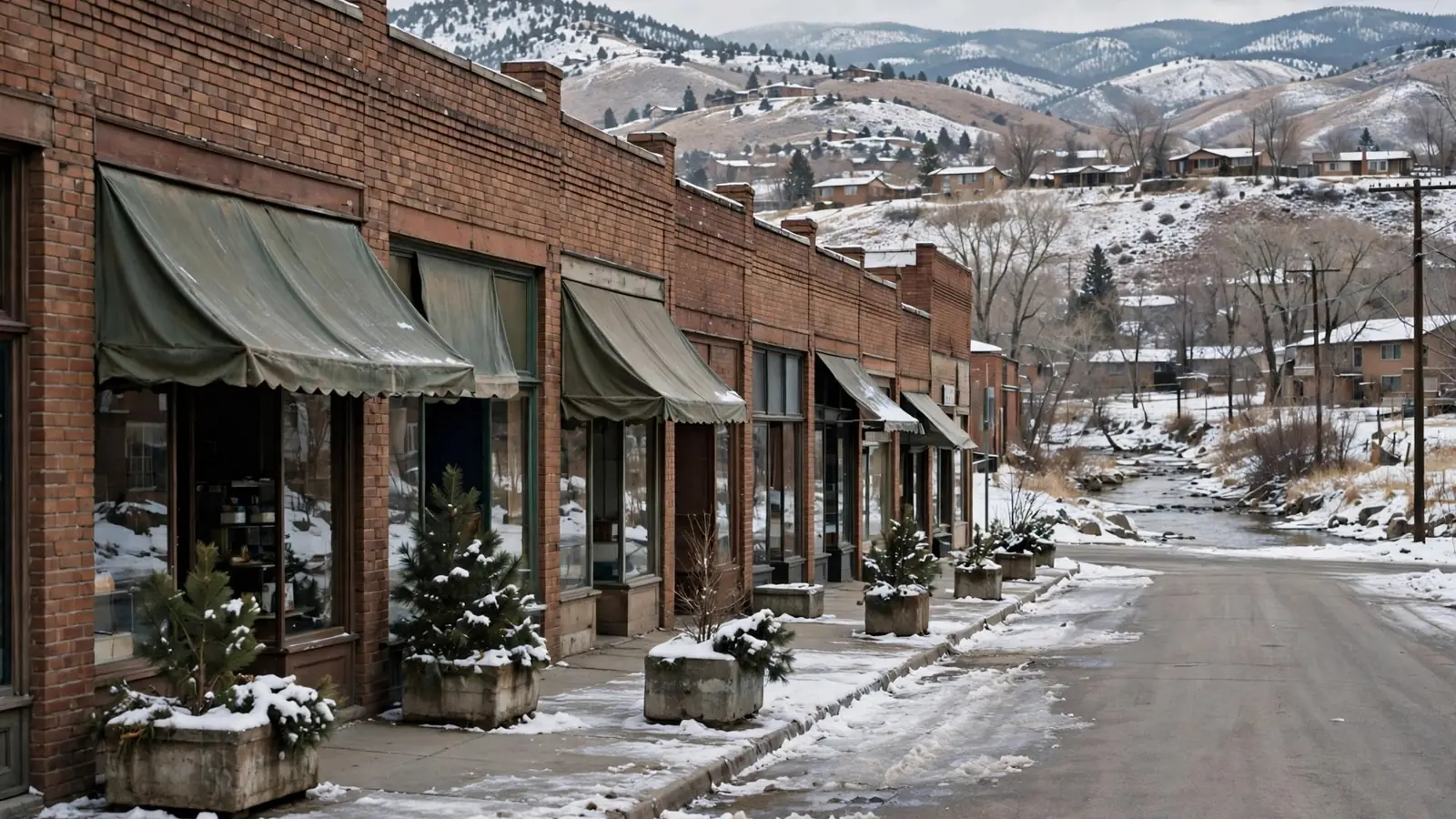
Older houses tend to have less insulation, more exterior-wall plumbing and leakier crawl spaces than newer ones, which makes frozen pipes more likely during Colorado cold snaps. Kitchen sinks on outside walls, basement pipes near rim joists and hose bibs that were never replaced with frost-free models are common culprits.
The American Red Cross suggests keeping the thermostat steady day and night during cold weather, opening cabinet doors under sinks on exterior walls, and letting a faucet drip on the coldest nights. [4] If a pipe does burst, shut off the main valve, which in many older Wheat Ridge homes is in the basement near the front wall, and call for help.
Seasons
How the season changes a Ridge at 38 water job
| Season | Main risk | What helps |
|---|---|---|
| Winter | Frozen and burst pipes in exterior walls | Steady heat, open cabinets, know the main shutoff |
| Spring | Snowmelt seepage through older foundations | Clear window wells, extend downspouts |
| Summer | Storm downpours and roof drain overflows | Clean gutters and commercial roof drains |
| Fall | Leaves blocking gutters and areaways | Clear debris before freeze-up |
Basement living
Finished cellars and basement bedrooms
Many Ridge at 38 owners have turned small cellars into bedrooms, offices or family rooms. These spaces were not designed to be lived in, so they often lack proper drainage, insulation or vapor control. Moisture that would not matter in a storage cellar becomes a problem behind drywall and carpet.
After a water event, a contractor needs to know what was there originally: the type of foundation wall, whether there is any insulation, and whether the floor has a vapor barrier. Drying may be straightforward, or it may reveal that the finished space has been quietly damp for years. In the second case, fixing the moisture source matters as much as the cleanup.
Radon and moisture
Basement air quality and moisture
Colorado has high radon levels in many areas, and the Colorado Department of Public Health and Environment recommends testing homes. [5] Radon is not caused by water damage, but basement repairs after a water loss, such as opening walls, sealing cracks or replacing a floor, are a sensible time to think about testing and, if needed, mitigation. Sealing a floor drain without understanding how it works can also cause problems, so ask before making changes.
Prevention
Lowering water risk in a Ridge at 38 home
- Replace remaining galvanized pipeA plumber can identify and replace corroded sections before they fail.
- Camera the sewer lateralEspecially in houses with large street trees out front.
- Install a water alarmPlace one near the water heater and floor drain.
- Keep the main shutoff workingOld gate valves seize; test yours or have it replaced.
- Extend downspoutsMove roof water several feet away from older foundation walls.
Rebuild
Rebuilding an older Ridge at 38 house after water damage
Rebuilding in an older house is not always a like-for-like job. Matching plaster or old trim may be difficult, and modern codes may require changes when walls are opened, for example to electrical work. Permits for structural, electrical and plumbing work go through the City of Wheat Ridge Building Division.
Talk with the rebuild contractor about which original features you want to keep and which can be updated. A water loss can also be a chance to fix problems that caused it, such as replacing old pipe in an open wall or adding insulation to an exterior wall.
Rentals
Rental houses and duplexes near the avenue
The blocks around 38th Avenue include rental houses, duplexes and small apartment buildings. When water damage happens in a rental, the tenant should report it at once and stay out of affected areas; the owner or manager normally arranges cleanup. Tenants need renters insurance for their own belongings, because the owner's policy covers the building, not the tenant's contents.
Owners of older rental properties face the same pipe and sewer issues as owner-occupiers but may hear about problems later. Regular checks of basements, water heaters and floor drains help catch leaks early.
On your call
Questions Ridge at 38 owners find useful
The contractor you are connected with is independent. These questions help you judge their approach.
- Have you worked on houses of this age?Experience with plaster, old pipe and partial basements matters.
- Will you check for asbestos or lead before demolition?A reasonable question for pre-1978 homes.
- Can the plaster be dried in place?Ask how they will decide.
- Should I get the sewer line inspected?If the water came up through a drain, yes.
- How will you protect neighboring shops?For commercial properties with shared walls.
Water heaters
Water heaters tucked into small 38th Avenue basements
In compact older basements, the water heater often sits in a corner next to the furnace, sometimes in a closet built around it when the basement was finished. When a tank fails, the water spreads under the closet wall into whatever room is next door: a bedroom, a family room, a storage area full of boxes. Because the tank is out of sight, a slow leak can run for days before anyone notices.
Signs of trouble include rust at the base of the tank, a damp ring on the floor or carpet nearby, or the relief valve discharge pipe dripping. Replacing a tank is a plumber's job and may need a permit; the restoration contractor handles the water it left behind. If the tank sits in a closet with carpet right up to it, consider a drain pan and hard flooring when the basement is rebuilt.
Street trees
Mature street trees and what they do underground
Part of the charm of the blocks around 38th Avenue is their old trees. Those same trees send roots toward the moisture in sewer laterals and, sometimes, cracked foundation drains. Roots do not break sound pipe, but they enter old joints and grow, eventually blocking the line. Houses with a big tree between the front wall and the street are especially prone to it.
If you have had one root-related backup, expect another unless the lateral is repaired or lined. Regular cleaning keeps the line open for a while, but repair is the lasting fix. A plumber can tell you which option suits your line.
Building types
Ridge at 38 property types and typical water issues
| Property | Typical source | Typical complication |
|---|---|---|
| 1940s brick bungalow | Galvanized joint or old fixture | Plaster walls, partial basement |
| 1950s ranch with full basement | Washing machine or water heater | Finished basement with carpet |
| Duplex or fourplex | Upstairs bathroom leak | Two households and two insurers |
| Single-storey storefront | Roof drain or back sink | Shared walls with neighbors |
| Newer mixed-use building | Unit-to-unit leak | Multiple owners and an association |
Documenting
Keeping a record in an older home
Older homes often have features that are hard to match or replace: original wood floors, built-ins, plaster moldings and old doors. Photograph them before work begins, from several angles, with something in the frame for scale. If anything is removed, ask that it be set aside rather than discarded until your adjuster has seen it.
Keep a written list of everything damaged, along with receipts or approximate ages. Insurers handle older homes the same way as newer ones in principle, but the details of what was there are easier to establish with good records.
First week
A typical first week after a 38th Avenue basement leak
- 1
Day 1
Water shut off at the main, standing water extracted, wet pad pulled and photos taken of plaster, trim and pipes.
- 2
Day 1 to 2
Plumber repairs or replaces the failed section; contractor decides which walls dry in place and which are opened.
- 3
Days 2 to 5
Dehumidifiers run with the basement closed; plaster and block walls are read daily.
- 4
Days 5 to 8
Slow-drying plaster and masonry are finished; the drying log goes to the adjuster.
- 5
Afterwards
Rebuild is scheduled, including any permits for plumbing or electrical work.
Neighbors
When the neighbor's water reaches you
On the tighter lots near 38th Avenue, a neighbor's problem can become yours. A downspout aimed at the property line, a blocked shared alley drain or water running off a higher lot can push water against your foundation. In attached commercial buildings, it can come through the wall. If you suspect water is coming from next door, photograph where it enters, talk to your neighbor, and tell your insurer; the source affects how the claim is handled.
Getting around
Access and parking for work on 38th Avenue
Restoration work along West 38th Avenue has practical wrinkles. Street parking near shops is limited, alleys behind some blocks are narrow, and drying equipment and debris have to be carried through front doors or tight side yards. For storefronts, crews may need to load and unload outside business hours. Mention access on your call: where a truck can park, whether there is an alley, and which door leads most directly to the basement. It speeds up the first visit and helps the contractor bring the right equipment.
FAQ
Ridge at 38 water damage questions
Does this line cover homes near West 38th Avenue?
Yes. The 38th Avenue blocks are in ZIP 80033, and calls from there can be connected to an independent restoration contractor.
My house has old galvanized pipes. Should I worry?
Galvanized pipe corrodes from inside and fails at joints. A plumber can tell you how much remains and its condition.
Can plaster walls be saved after a leak?
Often, if the water was clean and drying starts quickly. Plaster takes longer to dry than drywall.
Why did sewage come up my basement drain?
Usually a blockage in the sewer lateral, often from roots or a sag. A camera inspection finds the cause.
Is my shop's water damage my landlord's responsibility?
It depends on the lease and the cause. Notify the landlord and your insurer right away.
Do I need to test for asbestos before demolition?
In older homes it is worth asking. The EPA advises not disturbing suspect materials without testing.
Is there someone available at night?
Yes, at any hour. Late-night calls about a 38th Avenue home or shop are connected to an independent contractor on that call.