
Key facts: First hour after water damage
- Turning off the main water valve stops most plumbing leaks within minutes.
- Electricity and standing water together are the biggest immediate hazard in a flooded basement.
- Photos and video taken before cleanup support insurance claims.
- The EPA advises drying wet materials within 24 to 48 hours where possible to limit mold.
- Outside floodwater and sewage are treated as contaminated and need protective gear.
Checklist
The first hour, minute by minute
- 1
Minutes 0 to 5: stay safe
If water is near outlets, cords, appliances or the electrical panel, do not walk into it. If you smell gas, leave the house and call the gas utility from outside.
- 2
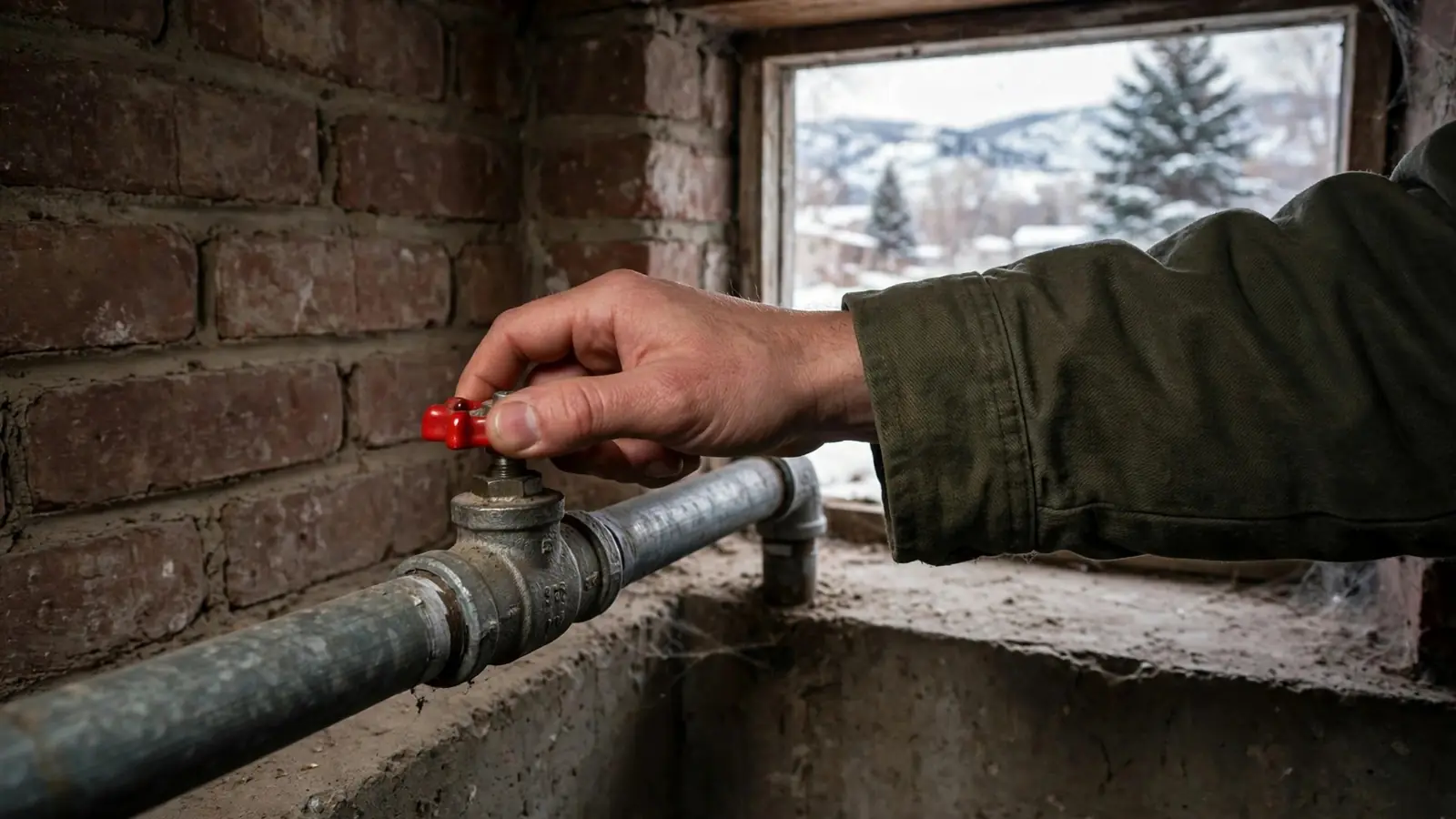
Minutes 5 to 10: stop the water
Close the valve nearest the leak, or the main shutoff. In most Wheat Ridge houses the main is in the basement where the line enters through the front foundation wall.
- 3
Minutes 10 to 15: cut power if needed
If the breaker panel is in a dry place and you can reach it without touching water, switch off circuits for wet areas.
- 4
Minutes 15 to 25: record it
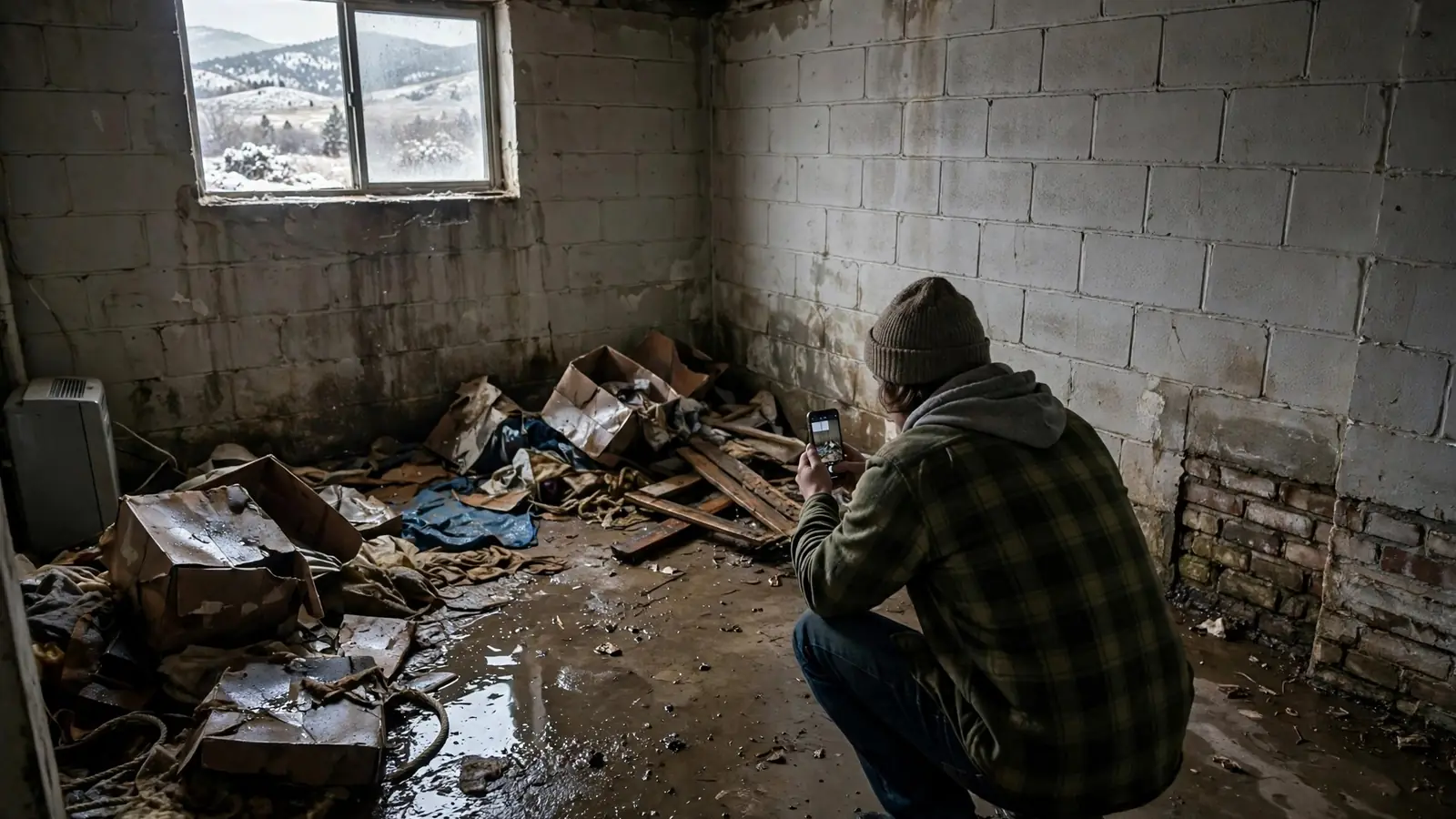
Take photos and video of the source, the water and damaged items before moving anything.
- 5
Minutes 25 to 40: call for help
Call your insurer to report the loss, and call for a restoration contractor if more than a small area is wet.
- 6
Minutes 40 to 60: start removing water
Mop, wet-vac hard floors, lift rugs and boxes, and move furniture onto blocks or out of the wet area.
Shutoffs
Finding your main shutoff before you need it
Most people look for their main shutoff for the first time while water is spraying. Do it now. In many Wheat Ridge homes, the main valve is in the basement on the wall facing the street, close to the water meter or where the pipe comes through the foundation. It may be a round gate valve, which you turn clockwise several times, or a lever-type ball valve, which you turn a quarter turn so the handle is across the pipe.
Old gate valves sometimes seize or fail to close fully. If yours is stiff, have a plumber replace it with a ball valve. Each toilet, sink and the washing machine should also have its own small shutoff valve; knowing these lets you stop a local leak without cutting water to the whole house.
Water type
Work out what kind of water it is
Your next decisions depend on where the water came from. Clean water from a supply pipe or an overflowing sink is the least hazardous, and you can usually start mopping and lifting things right away. Water from a washing machine drain or a toilet without waste is dirtier; wear gloves. Water from a sewer backup, a toilet with waste, or outside flooding is contaminated: keep children and pets away, wear boots and gloves, and leave cleanup of porous materials to professionals.
Tell the contractor and your insurer which kind of water it was. It affects what can be saved and, often, which coverage applies.
Belongings
Protecting belongings in the first hour
Once the water is off and the area is safe, rescue what matters most. Lift photographs, documents, electronics and anything irreplaceable out of the wet area first. Cardboard boxes on a wet floor soak up water quickly; move them or open them and remove the contents. Put aluminum foil or plastic under furniture legs to stop wood stain or rust transferring to carpet.
Do not throw anything away yet unless it is a safety hazard. Your insurer may want to see damaged items or photos of them. Set them aside in a garage or outside, and photograph them.
Priorities
What to prioritize by situation
| Situation | Top priority | Next step |
|---|---|---|
| Burst pipe spraying | Main shutoff | Power off to wet areas, then photos |
| Water heater leaking | Cold supply and gas or power to the tank | Mop and call a plumber |
| Toilet overflow | Toilet shutoff behind the bowl | Gloves on, remove water, then disinfect |
| Sewer backup | Stop all water use in the house | Keep out of the area; call for cleanup |
| Storm water entering | Stay safe; do not wade through it | Move valuables up; wait for water to stop |
Insurance
Calling your insurer
Report the loss as soon as you can. Most policies expect you to take reasonable steps to prevent further damage, which is what the first hour is about, and to notify them promptly. Ask whether they want to send an adjuster before cleanup or whether you should go ahead with mitigation. Keep a note of the claim number, who you spoke to and what they said. Our guide to working with your insurance adjuster explains the rest of the process.
Wheat Ridge winters
If it happens during a cold snap
Many first-hour emergencies in Wheat Ridge come from pipes that froze overnight and split as they thawed. After shutting the main, check other exposed pipes for frost or bulges and keep the house warm so they thaw slowly. Do not use an open flame to thaw a pipe. The American Red Cross suggests a hair dryer or warm towels on a frozen section, with a faucet open so water can flow as it melts. [5]
Ceilings
When the water is coming from above
If water is dripping through a ceiling, put buckets under the drips and keep people out from beneath any bulge, since wet drywall can give way. Do not switch on a light fixture in a wet ceiling. A small hole made with a screwdriver at the lowest point of a bulge lets the water drain into a bucket and reduces the weight, but only do this if you can stand safely and the area is not near wiring. Then go upstairs and find the source: a toilet, tub, sink or appliance in the room above.
Kit
A small water emergency kit worth keeping
- Wet-dry vacuumRemoves water from hard floors far faster than mops.
- Rubber boots and glovesFor dirty water and wet basements.
- FlashlightBasement lights may be off for safety.
- Plastic bins and bagsFor moving and sorting wet items.
- Water alarmsPlaced near the water heater, washer and floor drain to warn early.
FAQ
First-hour questions
Should I call a plumber or a restoration contractor first?
Stop the water first. If you cannot, call a plumber. If water has spread beyond a small area, call a restoration contractor too.
Can I stay in the house?
Usually, for a clean-water leak. Not if there is a gas smell, sewage across living areas or electrical danger.
Should I start cleaning before the adjuster comes?
Take photos first, then prevent further damage. Most insurers expect you to mitigate promptly.
Is it worth calling at night?
Yes. The first hour may fall at 3 a.m.; the line still connects you to an independent contractor.