
Key facts: Prospect Park
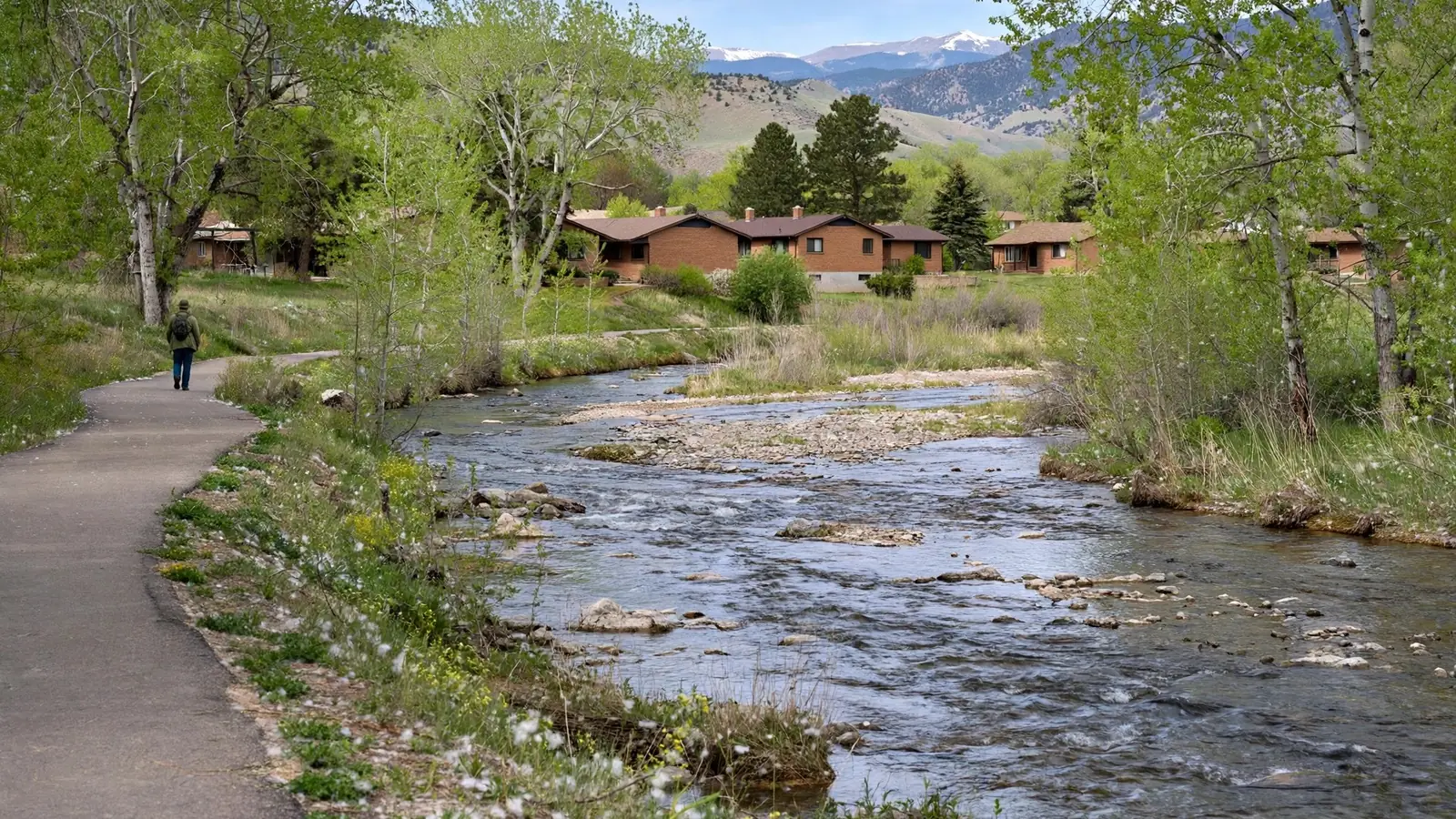
- Prospect Park is a City of Wheat Ridge park on the Clear Creek greenbelt in the northern part of the city.
- Clear Creek flows east through the northern third of Wheat Ridge, and much of its floodplain lies within the greenbelt, according to the city.
- A Colorado Water Conservation Board study notes a footbridge at Prospect Park lies within the Clear Creek 100-year floodplain.
- Clear Creek's flow peaks with mountain snowmelt, typically in late spring and early summer.
- The covered ZIP code for the Prospect Park area on this site is 80033.
Covered area
Prospect Park ZIP code on this line
Homes near Prospect Park and the greenbelt can reach an independent restoration contractor through this line.
- 80033Streets around Prospect Park and along the Clear Creek greenbelt in north Wheat Ridge. [1]
The creek
Living next to Clear Creek in Prospect Park
Clear Creek begins high on the Continental Divide and drops through Clear Creek Canyon before crossing the plains through Golden, Wheat Ridge and on toward the South Platte. [2] Through Wheat Ridge the city has kept much of its corridor as open space, the Clear Creek Greenbelt, with a trail, ponds and parks including Prospect Park. That greenbelt does double duty as the creek's floodplain: according to the City of Wheat Ridge, much of the Clear Creek floodplain lies within it.
Most homes near Prospect Park sit on higher ground beside the greenbelt rather than in it, but the line between the two is not always obvious on the ground. Some properties sit within or close to the mapped floodplain, and others sit low enough that groundwater rises toward their basements when the creek is high. A Colorado Water Conservation Board study of Clear Creek notes that the footbridge at Prospect Park lies within the 100-year floodplain, which gives a sense of how close the water can come.
The creek is most powerful in late spring and early summer, when mountain snowmelt arrives. That is also when basements near the greenbelt are most likely to take on water from below.
Local factors
What makes Prospect Park water damage different
Floodplain proximity
Some lots are in or near the mapped Clear Creek floodplain.
Seasonal groundwater
High creek flows in spring can raise the water table near the greenbelt.
Sump pumps that work hard
Pumps may run often in May and June and fail when least expected.
Flood insurance questions
Lenders may require flood cover for homes in the mapped floodplain.
Mature cottonwoods
Big trees near the creek send roots toward sewer laterals.
Ponds and low ground
Low spots near the park can collect runoff in storms.
Floodplain
How to check whether your Prospect Park home is in the floodplain
The City of Wheat Ridge publishes floodplain maps and works with FEMA on updating them. The city notes that Clear Creek maps have been revised to reflect updated flow estimates, so older maps may show different boundaries from current ones. FEMA's flood map service also lets you search by address.
If your home is in a mapped floodplain and has a federally backed mortgage, your lender will normally require flood insurance. If it is just outside, flood insurance is still available but it is not required. Building or major remodeling in a floodplain is subject to the city's floodplain regulations, which can affect how a basement is rebuilt after damage. Ask the city's floodplain administrator before major work.
Prospect Park signs
Water clues near the Clear Creek greenbelt
| What you see | Likely cause | What to ask |
|---|---|---|
| Water seeping at the floor-wall joint in May or June | High groundwater during spring runoff | Is a sump or drainage improvement needed? |
| Sump pump running constantly | Water table near the slab | Is the pump sized correctly and backed up? |
| Water entering through a window well in a storm | Runoff from yards or the street | Does the well drain properly? |
| Sewer backup during heavy rain | Stormwater entering sanitary lines | Should I install a backwater valve? |
| Creek overtopping banks | Major flood event | Is the house safe to enter? |
Groundwater
Spring groundwater and basement seepage near the greenbelt
The most common water problem near Prospect Park is not a dramatic flood but slow seepage. When the creek runs high, the ground beside it fills with water too, and that water presses against basement walls and floors. It finds the joint where the wall meets the floor, cracks in the slab, and openings around pipes. A thin sheet of water appears across the floor, or carpet along one wall gets wet.
Cleanup for seepage is often straightforward: remove the water, dry the carpet and pad or remove the pad, and dry the wall. But seepage will return each spring unless the drainage is improved, with an interior drain tile and sump, exterior grading and gutters, or waterproofing. A contractor can recommend someone for that work once the immediate problem is dealt with.
Assessment
What a contractor should check near Prospect Park
- 1
Identify the water source
Groundwater, surface runoff, plumbing or sewer; the season helps tell them apart.
- 2
Check the sump system
Pump, float, discharge line and backup power.
- 3
Map moisture
Find where water is entering and how far it has spread.
- 4
Ask about flood maps
Note whether the property is in or near the mapped floodplain.
- 5
Photograph the entry point
Insurers will ask how the water got in.
- 6
Plan for recurrence
If water will come back next spring, choose finishes and drying methods accordingly.
Sump pumps
Sump pumps in homes near Clear Creek
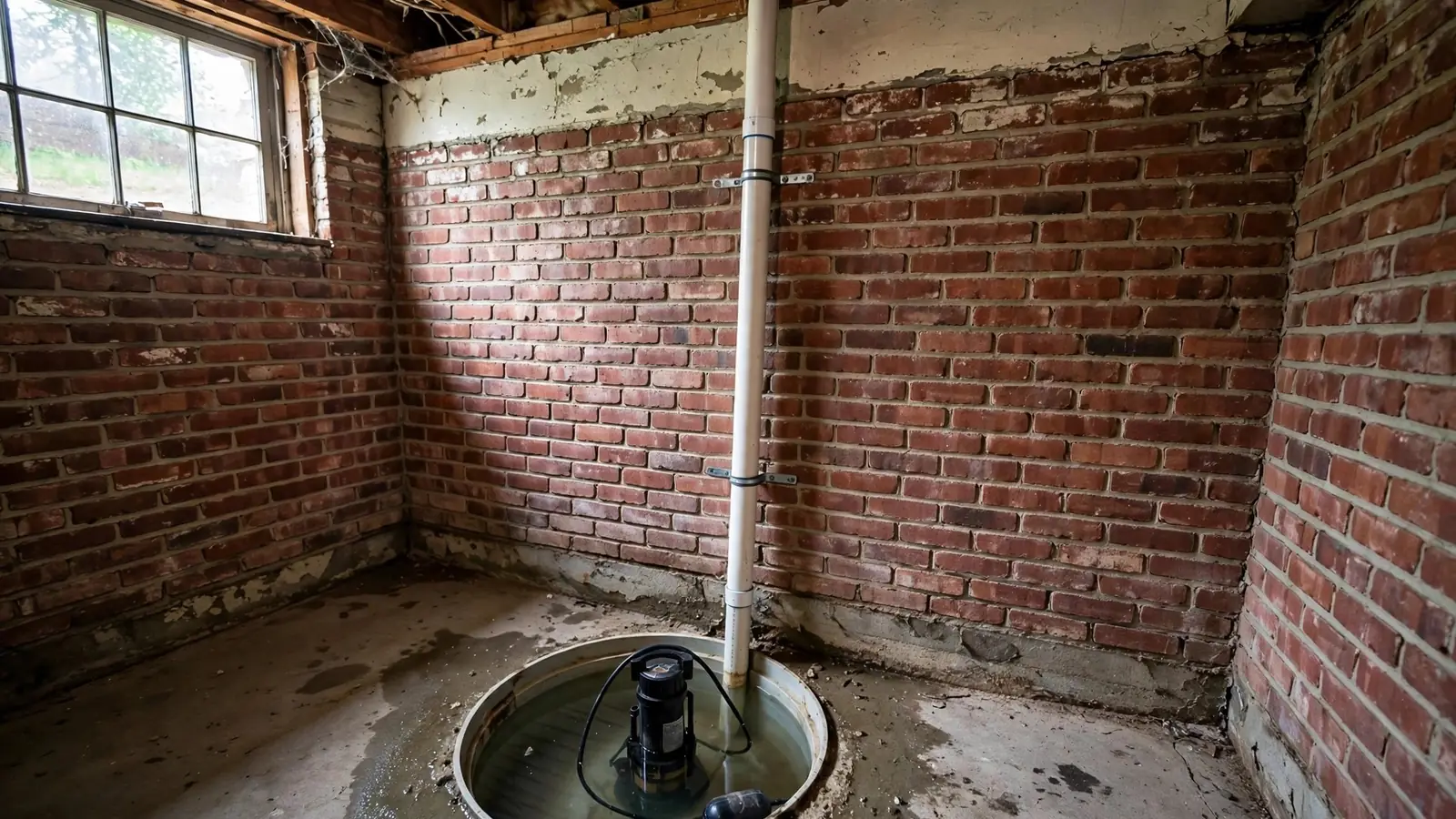
Many basements near the greenbelt rely on a sump pump to keep groundwater below the floor. In wet springs, those pumps can run many times an hour. Pumps wear out, floats stick, and power cuts during storms stop them just when they are needed most. A failed pump in May can flood a finished basement in a few hours.
Check the pump before spring runoff: pour water into the pit and make sure it starts and empties the pit. Consider a backup pump with battery or water power, and an alarm that sounds if the water in the pit gets too high.
- Test the pump each April
- Clear the discharge line
- Add a high-water alarm
- Consider a backup pump
Insurance
Flood insurance for Prospect Park homes
Homeowners insurance usually excludes flood, which includes creek overflow and, in most policies, surface water. Groundwater seepage is often excluded too, regardless of flood coverage. Flood insurance through the National Flood Insurance Program or a private insurer covers damage from a general flood, but NFIP coverage for basements is limited, mainly to structural elements, some utilities and cleanup rather than finished walls, carpet and belongings. [3]
For homes near Clear Creek, it is worth reading your flood and homeowners policies closely before spring, so you know what is covered if the basement takes water. A sump pump failure endorsement on the homeowners policy is another option some insurers offer. The Colorado Division of Insurance publishes consumer guides on flood and homeowners coverage.
Coverage
Typical coverage for water near the greenbelt
| Water source | Typical coverage |
|---|---|
| Creek flood entering the house | Flood policy (NFIP or private) |
| Groundwater seepage | Often excluded; check your policy |
| Sump pump failure | Homeowners policy only with an endorsement |
| Sewer backup in a storm | Water backup endorsement if purchased |
| Burst pipe | Homeowners policy, if sudden |
Rebuilding
Rebuilding a basement near the floodplain
If your home is in a mapped floodplain, rebuilding a damaged basement may be subject to floodplain rules, particularly if the damage is extensive. The City of Wheat Ridge floodplain administrator can explain what applies. Even outside the mapped area, a basement that takes water every few years deserves a different approach to finishing.
Consider flood-resistant materials at the bottom of walls, such as cement board or moisture-resistant panels, tile or vinyl plank instead of carpet, and furniture and storage that can be lifted quickly. Keep electrical outlets and equipment higher where code allows. These choices reduce both the damage and the cleanup next time.
Trail and park
The greenbelt as neighbor
Living beside open space has real advantages: wildlife, trails, quiet and views. For water damage, the greenbelt also means fewer buildings between you and the creek, so floodwater and groundwater can reach homes along its edge more directly. Ponds and wetlands near the park rise and fall with the creek.
The city maintains the greenbelt, but individual homeowners are responsible for drainage on their own lots. Keep culverts and ditches on your property clear and do not dump yard waste in drainage paths, which can block flow during storms.
Sewer
Sewer backups during storms near Prospect Park
When heavy rain falls, some stormwater enters sanitary sewer lines through cracks, loose joints and illegal connections such as sump pumps or downspouts plumbed into the sewer. If enough gets in, the sewer can back up into the lowest homes on a line. Homes near low ground by the creek can be among the first affected.
A sewage backup is treated as contaminated water, with full protective gear, removal of porous materials and disinfection. Afterwards, ask a plumber whether a backwater valve would help, and make sure your own sump pump discharges outside, not into the sewer.
Prevention
Getting ready for spring near the greenbelt
- Test the sump pumpDo it in April, before runoff peaks.
- Lift basement storageUse shelves and bins rather than cardboard on the floor.
- Check flood coverageKnow what your policies cover before the creek rises.
- Clear window wells and guttersKeep surface water away from the foundation.
- Know your shutoffsMain water, gas and electrical panel locations.
On your call
Questions homeowners near Prospect Park find useful
- Is this groundwater, runoff or plumbing?The answer shapes cleanup and insurance.
- Should I keep the carpet in this basement?In a basement that takes water often, hard flooring may be wiser.
- How will you dry the slab?Concrete next to high groundwater dries slowly.
- Can you document the entry point for my insurer?Photos and notes matter for flood and seepage claims.
- Do you know the floodplain rules for rebuilding?At least know who to ask at the city.
After a creek flood
Cleaning up after Clear Creek water reaches a home
If creek water actually enters a home near Prospect Park, the cleanup is a full flood cleanup. Creek water carries silt, debris and contaminants picked up upstream, so everything porous it touched is generally removed: carpet and pad, drywall to above the waterline, insulation, upholstered furniture. Mud is shoveled out while wet, surfaces are washed and disinfected, and the structure is dried.
Furnaces, water heaters and electrical panels that were underwater need inspection by qualified trades before use. Gas appliances in particular should not be restarted until they have been checked. Keep a careful photographic record from the start, because flood claims require documentation of the waterline and damaged items.
Spring checklist
A spring runoff checklist for greenbelt homes
- 1
Early April
Test the sump pump and backup; clear the discharge line and check it points away from the house.
- 2
Mid April
Clean gutters and window wells; extend downspouts; check grading around the foundation.
- 3
Late April
Lift basement storage onto shelves; move valuables and documents upstairs.
- 4
May
Watch creek levels and local alerts; check the basement floor-wall joint after rain.
- 5
June
Keep checking the sump; note any seepage with photos and dates for your records.
Pond and lake
Ponds near the park
Prospect Park includes a lake, and there are other ponds along the greenbelt. These water bodies are linked to the creek and groundwater, and their levels rise in wet periods. Homes on lower ground near them may notice damp basements at the same time the ponds are full.
This is a natural feature of living near a creek corridor rather than something a homeowner can change. What you can change is how your basement copes: drainage around and under the slab, a working sump, and finishes that survive occasional damp.
Prospect Park materials
Basement finishes that cope with occasional water
| Choice | Holds up to water | Notes |
|---|---|---|
| Carpet and pad | Poorly | Pad soaks up water; often replaced after each event |
| Luxury vinyl plank | Well | Can often be lifted, dried and relaid |
| Ceramic or porcelain tile | Very well | Cold underfoot; rugs can be lifted |
| Standard drywall to the floor | Poorly | Wicks water upward |
| Cement board or moisture-resistant panel at the base | Well | Reduces cut-outs after a flood |
| Plastic or PVC baseboard | Well | Does not swell like MDF |
Neighbors
When several homes are hit at once
When the creek is high or a big storm passes, many homes along the greenbelt can be affected at the same time. Contractors get busy, equipment is in demand and response times can stretch. Calling early helps, as does doing what you safely can yourself: removing water with a wet-dry vacuum, lifting carpet to let air reach the pad, running a dehumidifier if you have one, and keeping careful notes.
Be cautious of anyone who knocks on doors offering to start work immediately in exchange for signing over your insurance claim. Take time to read any agreement.
Housing
Homes along the greenbelt edge
The neighborhoods around Prospect Park are mostly single-family houses from Wheat Ridge's post-war growth, with some newer homes and townhouses. Ranches with full basements are common, as are bi-levels whose lower floors sit partly below grade. Some houses back directly onto open space, with yards that slope toward the creek.
A yard that slopes toward the creek is good for drainage, but a yard that slopes toward the house is not. Look at how water moves across your lot in a heavy storm: where it pools, where it runs, and whether it heads toward window wells or doors. Small grading changes can redirect a lot of water.
Mold
Damp basements and mold near the creek
Basements that get damp every spring are at higher risk of mold, especially behind finished walls and under carpet. The EPA's advice is to fix the moisture problem first, because cleaning mold without stopping the water only buys time. After each wet season, check the bottom of walls, the back of stored items and under rugs for musty smells or spots.
A dehumidifier running in the basement through late spring and summer helps keep humidity down. Empty it or set it to drain to the floor drain or sump, and clean its filter regularly.
Records
Keeping a water history for your home
Homes near water benefit from a simple log: dates when the basement took water, how much, where it entered, and what was done. It helps contractors find patterns, supports insurance claims, and gives future buyers honest information. Colorado sellers are expected to disclose known water problems, so a clear record is useful when you sell.
Services
Restoration services Prospect Park homeowners ask about
Flood cleanup after creek or storm water
Silt removal, disinfection and drying.
Read moreBasement drying after seepage
Dehumidification and slab drying.
Read moreSewer backup in a storm
Contaminated water cleanup.
Read moreBurst pipe in winter
Extraction and cleanup of a clean-water loss.
Read more
Winter near the creek
Winter freezes near the open space
Open space lets cold air drain and settle, and homes beside the greenbelt can feel noticeably colder on still winter nights than those a few blocks away. Pipes along north-facing walls, in garages and near basement windows are most at risk. Keep the house heated, insulate exposed pipes and disconnect hoses before the first hard freeze.
A burst pipe here is handled like any clean-water loss, but if it happens in spring while groundwater is high, the drying plan has to account for both sources of moisture at once.
Buying near the greenbelt
Buying a home near Prospect Park
If you are buying a house near the Clear Creek greenbelt, ask the sellers about past water in the basement, look for stains or efflorescence at the base of walls, check whether there is a sump pump and how often it runs, and look up the address on flood maps. An inspector can point out drainage issues. Knowing the history helps you decide on insurance and on how to finish the basement.
FAQ
Prospect Park water damage questions
Does this line serve homes near Prospect Park?
Yes. Streets around Prospect Park are in ZIP 80033, and calls from them can be connected to an independent contractor.
Is my home in the Clear Creek floodplain?
Check the City of Wheat Ridge floodplain maps or FEMA's flood map service by address.
Why does my basement only get wet in spring?
High creek flows during snowmelt can raise groundwater near the greenbelt.
Does flood insurance cover my finished basement?
NFIP basement coverage is limited. Read your policy and ask your agent.
Should I pump out my basement during a flood?
Wait until floodwater outside has gone down; pumping too early can damage walls.
Can I get a sump pump installed after a flood?
Yes, through a plumber or waterproofing contractor. Permits may apply.
Can I call during a storm at night?
Yes. Storms and sump failures do not keep office hours, and neither does this line; night calls are connected to an independent contractor.