
Key facts: Hidden moisture behind walls
- Slow leaks inside walls can go unnoticed for weeks or months.
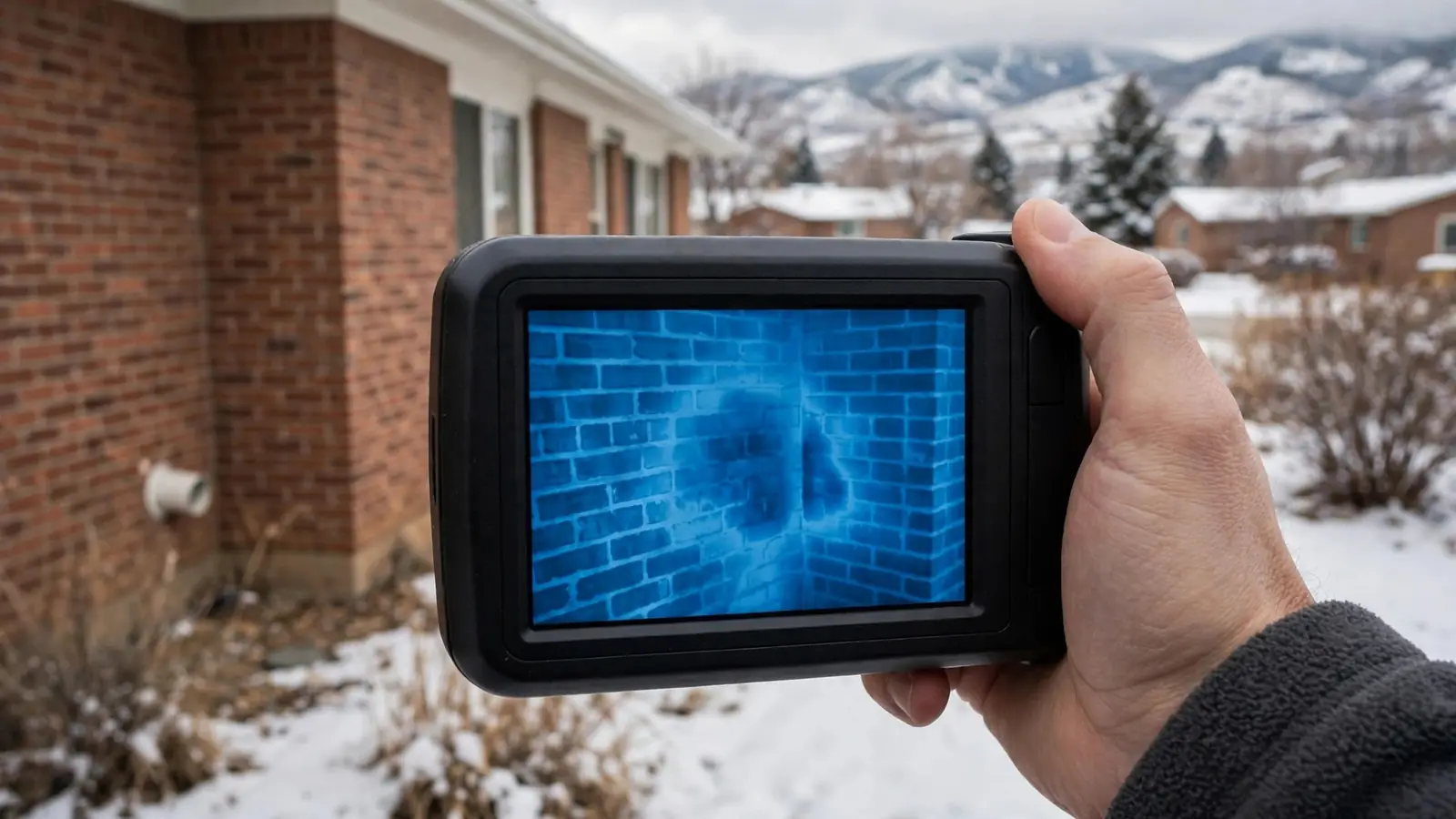
- Moisture meters measure water in drywall and wood; thermal cameras show temperature differences that can indicate moisture.
- A thermal image alone does not prove moisture; readings confirm it.
- The EPA notes that mold can grow on damp building materials, and controlling moisture is the key to controlling mold.
- Many insurance policies treat long-term, gradual leaks differently from sudden water damage.
Finding it
How contractors find moisture inside walls
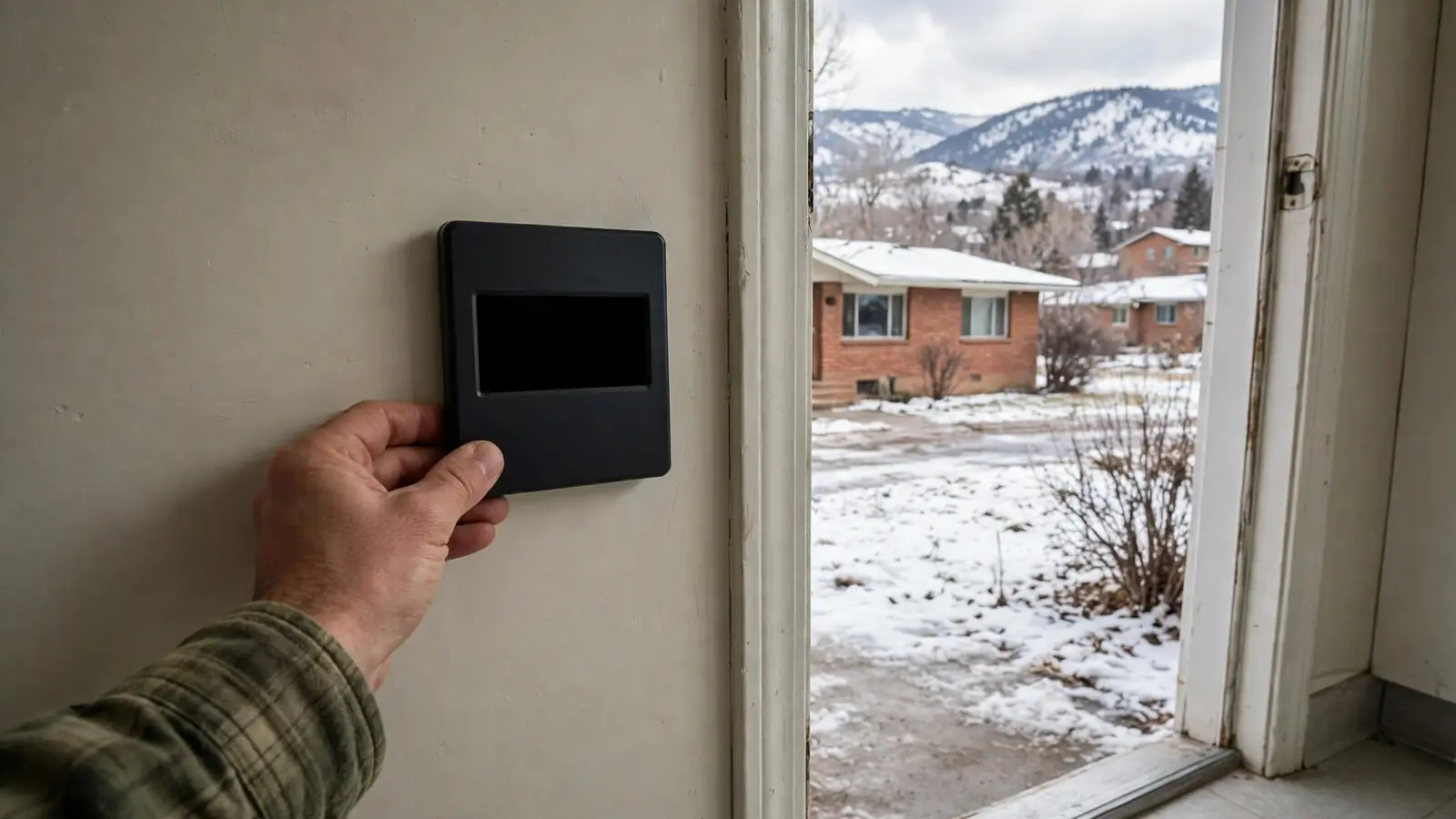
Restoration contractors start with a moisture meter. Pinless meters scan through the surface of drywall and flooring and show relative moisture, which lets the technician map wet areas without making holes. Pin meters measure moisture directly in wood and drywall through two small pins, giving a more precise reading.
Thermal imaging cameras show surface temperature. Wet materials are often cooler because evaporation draws heat, so a wet area can show up as a cool patch. But temperature differences can also come from drafts, insulation gaps or ducts, so a thermal image is a guide, not proof. Readings with a meter confirm what the camera suggests.
When the readings show where the moisture is, the contractor may cut a small inspection hole or remove baseboard to look inside, then decide how much needs to be opened.
Where to look
Places worth checking a few times a year
- Under sinksLook for drips, stains or swollen cabinet floors.
- Around toiletsCheck for soft flooring or staining at the base.
- Behind the washer and refrigeratorSupply lines and ice maker lines leak here.
- Basement ceilings below bathroomsStains reveal leaks from above.
- Exterior basement wallsFeel for damp and look for white mineral deposits.